
Blog
Medically Reviewed by the Clinical Team at MD Diagnostics
CLIA-Certified Laboratory
You go to the doctor with a cough, a fever, and a sore throat that will not quit. A few years ago, you might have left with a single strep test or a flu swab, and if that came back negative, you would just wait to see if things got worse before anyone looked further. That is not really how it has to work anymore. A respiratory panel test checks for dozens of viruses and bacteria from a single swab, often with results back the same day, which means your provider is not guessing their way through cold and flu season one test at a time.
This matters more than it should. Influenza, COVID-19, RSV, and a handful of less familiar viruses can all produce the same early symptoms: fever, congestion, fatigue, a cough that will not let up. Treating the wrong one, or treating nothing while the right one runs its course untreated, has real consequences, especially for young children, older adults, and anyone with a lung or heart condition. Here is what a respiratory panel actually looks for, when your doctor is likely to order the full version instead of a single test, and why the turnaround time on your results is not just a convenience issue.
What a Respiratory Panel Test Actually Detects
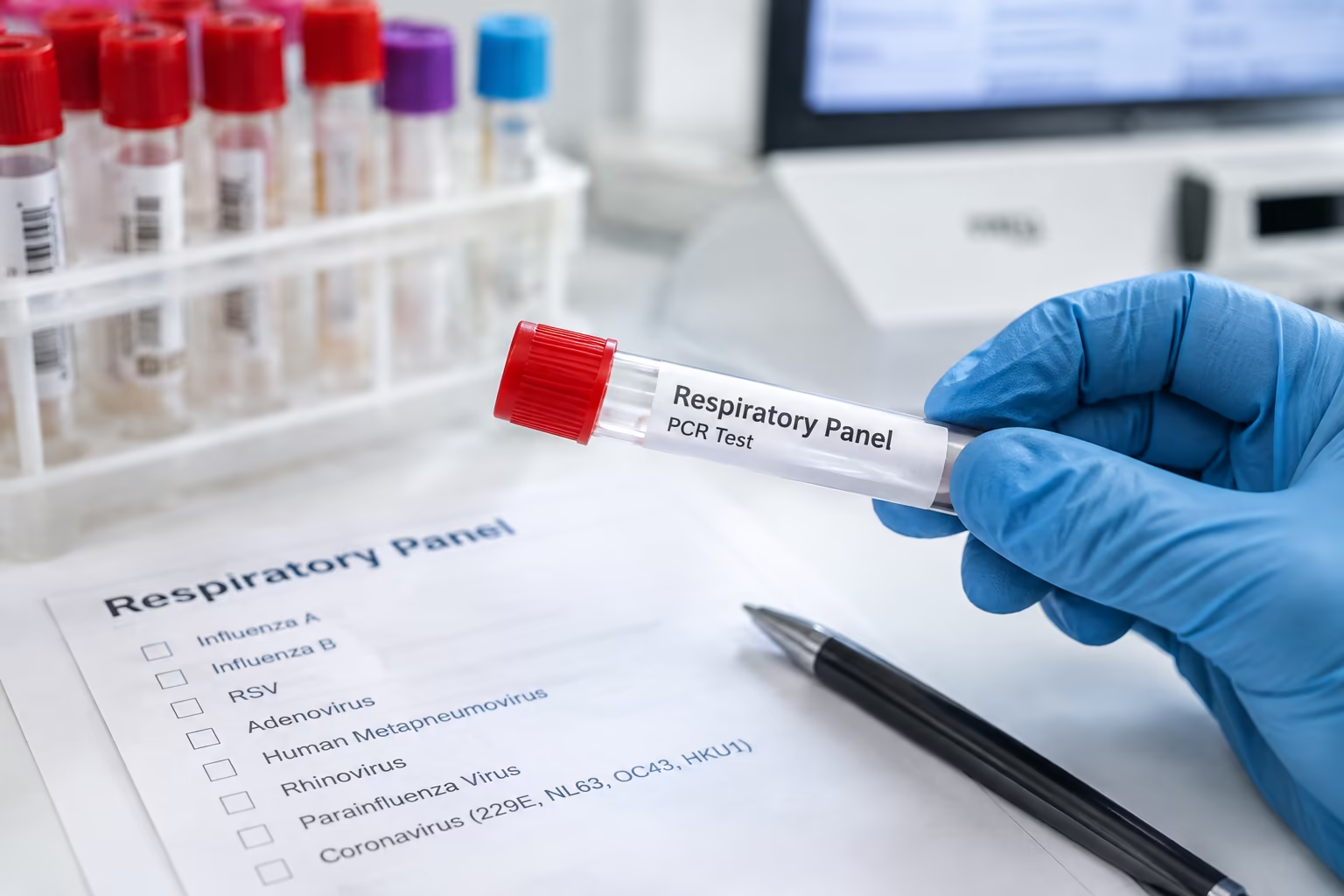
A respiratory panel test uses PCR, or molecular testing, to look for the genetic material of specific pathogens in a nasal or throat swab. That is a different approach than an older rapid antigen test, which looks for a protein on the surface of a virus and tends to miss more cases, especially early in an infection when the viral load is still low. PCR testing is more sensitive, which is part of why panels have become the standard in urgent care and hospital settings over the last several years.
A respiratory panel test list typically includes some combination of the following, depending on which panel your lab runs:
- Influenza A and B
- COVID-19 (SARS-CoV-2)
- Respiratory syncytial virus (RSV)
- Parainfluenza viruses
- Adenovirus
- Human metapneumovirus
- Rhinovirus and enterovirus
- Bordetella pertussis (whooping cough)
- Mycoplasma pneumoniae
- Chlamydophila pneumoniae
Some panels are narrower, built around the handful of viruses that circulate most heavily in a given season. Others are broader and include bacterial causes of respiratory illness alongside viral ones, which matters because bacterial infections often respond to antibiotics while viral ones do not. Knowing which category is causing a patient's symptoms changes what happens next, not just what the diagnosis is called.
When a Doctor Orders a Full Panel vs. a Single-Target Test
Not every visit calls for a full panel, and that is by design. A single-target test, like a rapid flu swab or a standalone COVID test, is usually enough when the clinical picture is already fairly clear. If a patient has a sudden high fever and body aches during a week when flu is confirmed to be circulating heavily in the area, a provider may reasonably start there rather than running a broader panel that adds cost and time without changing the immediate plan.
A full respiratory panel tends to get ordered in a few specific situations:
- The symptoms are ambiguous and could reasonably point to several different viruses at once, which is common in the winter months when multiple illnesses overlap.
- The patient is high risk, meaning very young, elderly, immunocompromised, or living with a chronic respiratory or cardiac condition, where identifying the exact pathogen changes how aggressively a provider monitors or treats them.
- A single test already came back negative, but symptoms are severe enough that the provider still suspects an infection the first test was not designed to catch.
- The setting is an emergency department, urgent care, or long-term care facility, where a fast, complete answer helps with both individual treatment and decisions about isolating a patient from others.
In each of these cases, the panel is not being ordered because the provider is unsure how to do their job. It is being ordered because a single test cannot rule enough possibilities in or out to act on with confidence.
What the Turnaround Time Means for Treatment Decisions
This is the part that tends to get overlooked. A respiratory panel is only useful if the results come back fast enough to actually shape care. Several of the pathogens on a typical panel, including influenza and RSV, have antiviral treatments that work best when started within the first 48 hours of symptoms. panel that takes four or five days to process has already missed that window, which is why STAT testing exists for situations where speed changes the outcome.
Fast, in-house processing changes what a provider can actually do with a positive result. A same-day or next-day result means a physician can start an antiviral while it will still help, decide whether a patient needs to be isolated from family members or coworkers, and avoid prescribing an antibiotic for what turns out to be a viral illness it will not touch. That last point matters more than it might seem. Unnecessary antibiotic use is a real, ongoing problem in outpatient medicine, and a fast, accurate viral result is one of the more effective ways to prevent it.
Turnaround time also matters for long-term care facilities and clinics managing multiple patients at once. When a facility can get a same-day answer instead of sending a resident out for testing and waiting days for a result, they can make faster decisions about isolation protocols and protect other residents without unnecessary disruption. A slow result does not just delay one patient's treatment. It delays every decision that depends on knowing what is actually going around.
One Swab, One Visit, One Clear Answer
A respiratory panel test exists to close the gap between "you have some kind of respiratory illness" and "you have this specific one, and here is what we do about it." It will not replace a doctor's judgment about which test fits a given visit, but when symptoms are unclear, when a patient is higher risk, or when speed genuinely changes the treatment plan, a single swab that checks for dozens of possibilities at once is a far more efficient path than working through single tests one at a time. If your provider recommends one, it is usually because they want a complete answer, not just a quick one.
If you're dealing with symptoms that don't add up or just want a faster, more complete answer, MD Diagnostics offers respiratory panel testing with fast, reliable turnaround right here in St. Louis. Book an appointment or contact our team to talk through which test fits your situation.
Frequently Asked Questions About Respiratory Panel Testing
How long does it take to get respiratory panel test results?
Turnaround time depends on the lab. Many labs return results within 24 hours, and some offer same-day STAT processing for urgent cases. Ask your provider or lab directly what timeline applies to your test.
Is a respiratory panel test more accurate than a rapid flu or COVID test?
Respiratory panel tests generally use PCR technology, which detects genetic material directly and tends to be more sensitive than rapid antigen tests, especially early in an illness when viral load is still low.
Does insurance typically cover a respiratory panel test?
Coverage varies by insurance plan and by whether the test is considered medically necessary for your symptoms. Check with your provider's office or your insurance carrier before testing when possible.
Can a respiratory panel test tell the difference between a viral and bacterial infection?
Yes, broader panels include both viral and bacterial targets, which helps a provider decide whether antibiotics are appropriate or whether the illness is viral and will not respond to them.
Do I need a doctor's order to get a respiratory panel test?
In most cases, yes. A physician or authorized provider typically orders the test based on your symptoms and risk factors, though some labs and urgent care clinics offer walk-in testing without a prior appointment.
This article is for informational purposes only and does not constitute medical advice. Always consult with your healthcare provider about your specific health concerns and lab results. MD Diagnostics is a CLIA-certified laboratory providing diagnostic testing services in the St. Louis region.