
Blog
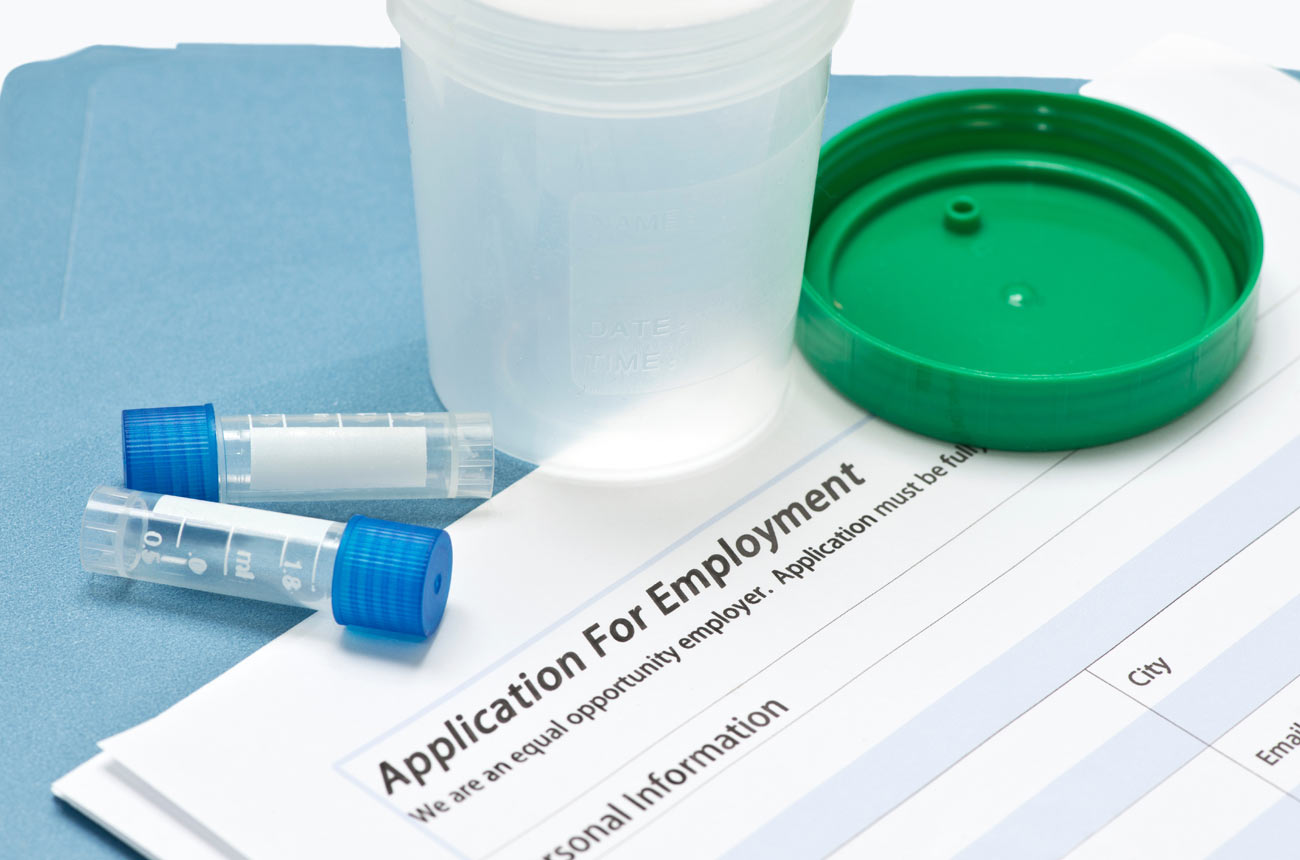
5 Workplace Drug Testing Mistakes Employers Should Avoid
Medically Reviewed by the Clinical Team at MD Diagnostics
CLIA-Certified Laboratory
Workplace drug testing can help employers protect their teams, reduce liability, and maintain a safer work environment. But a drug testing program only works well when it is clear, consistent, and properly managed. Common mistakes such as vague policies, inconsistent enforcement, poor documentation, or skipping confirmatory testing can create confusion and increase risk for the business.
For employers in Missouri, workplace drug testing should be handled with care. A strong program should explain when testing happens, who is subject to testing, how results are handled, and what steps follow a positive result. Avoiding these common mistakes can help employers build a fairer, safer, and more reliable testing process.
Why a Well-Designed Drug Testing Program Protects Your Business
A workplace drug testing program is not just a formality. It can support workplace safety, help reduce preventable incidents, and create clear expectations for employees. This is especially important in industries where employees operate vehicles, machinery, equipment, or perform safety-sensitive work.
A strong policy also protects the employer. When testing rules are written clearly and applied consistently, businesses are better prepared to respond to employee questions, disputes, or compliance concerns. Without a structured process, employers may make decisions that appear inconsistent or unfair, even when their intentions are reasonable.
The goal is not only to test employees. The goal is to create a process that is accurate, fair, documented, and aligned with applicable requirements. That starts by understanding what can go wrong and how to prevent it.
Mistake #1: Not Having a Clear Written Drug Testing Policy
One of the biggest mistakes employers make is starting drug testing without a written policy. A verbal understanding is not enough. Employees should know what the policy says before testing happens.
A strong workplace drug testing policy should explain the purpose of the program and outline exactly when testing may occur. This may include pre-employment drug testing, random testing, post-accident testing, reasonable suspicion testing, or return-to-duty testing when applicable.
The policy should also explain who is covered. For example, does the policy apply to all employees, only safety-sensitive positions, applicants, contractors, or specific departments? Clarity matters because unclear policies can lead to confusion and inconsistent decisions.
A written policy should also explain what happens after a positive test result. Employees should understand whether confirmatory testing is used, whether retesting is available, and what disciplinary or employment actions may follow.
When the rules are clear from the beginning, employers reduce the risk of misunderstanding and create a stronger foundation for compliance.
Mistake #2: Applying Drug Testing Policies Inconsistently
A written policy is only useful if it is applied consistently. Inconsistent enforcement is one of the fastest ways to create employee disputes and legal risk.
For example, if two employees are involved in similar workplace incidents but only one is tested, the employer may be asked to explain why. If one department is subject to random testing but another similar department is not, employees may question whether the policy is being applied fairly.
Consistency does not mean every employee must always be tested in the exact same way. Different roles can have different risk levels. Safety-sensitive positions may require stricter testing standards than office-based roles. However, those distinctions should be written into the policy and applied the same way each time.
Employers should also train managers and supervisors on the policy. A supervisor should not make testing decisions based on personal judgment alone. They should understand when testing is allowed, what signs may support reasonable suspicion, and how to document the situation properly.
A consistent process protects both the company and the employee. It helps ensure that testing decisions are based on policy, not assumptions.
Mistake #3: Using the Wrong Type of Drug Test for the Situation
Not every drug test serves the same purpose. Employers should understand which type of testing fits each situation.
Pre-employment drug testing is commonly used before hiring. It helps employers evaluate applicants before they begin work, especially for roles where safety is important.
Random drug testing is often used for ongoing workplace safety programs. Employees are selected through a neutral process, not because of personal suspicion. This type of testing works best when the selection process is clearly documented.
Post-accident testing may be used after a workplace incident. The goal is to determine whether substance use may have contributed to the accident or safety concern.
Reasonable suspicion testing is used when a trained supervisor observes signs that an employee may be impaired. These signs may include changes in behavior, coordination, speech, appearance, or work performance.
Choosing the wrong testing method can create problems. For example, using reasonable suspicion testing without proper documentation may lead to employee pushback. Relying only on pre-employment testing may not be enough for businesses with ongoing safety risks.
The right approach depends on the employer’s industry, risk level, workforce, and compliance needs.
Mistake #4: Choosing Speed Over Testing Accuracy
Fast results are important, especially when hiring decisions or workplace safety concerns are involved. But speed should not come at the expense of accuracy.
A reliable drug testing program depends on proper specimen collection, chain of custody, and confirmatory testing when needed. Chain of custody refers to the process used to track the specimen from collection to testing. This helps protect the integrity of the sample and the reliability of the result.
Initial screening tests can be useful, but they may not always tell the full story. In some cases, a result may need confirmation using a more precise testing method. Confirmatory testing helps reduce the risk of false positives and gives employers greater confidence before making employment decisions.
Employers should also think carefully about collection procedures. Poorly handled collections can create questions about whether the sample was collected, labeled, stored, or transported correctly.
Accuracy matters because drug test results can affect someone’s job, reputation, and livelihood. Employers should work with testing partners who understand proper procedures and can support a dependable testing process.
Mistake #5: Failing to Stay Current With Missouri Drug Testing Laws
Workplace drug testing rules and expectations can change over time. Employers should not assume that a policy written several years ago is still enough.
Missouri employers should regularly review their workplace drug testing policies to make sure they align with current state and federal requirements. This is especially important for businesses in regulated industries or safety-sensitive fields.
Marijuana laws are one area where employers often have questions. Even when state laws change, employers may still have the right to maintain drug-free workplace policies, particularly for safety-sensitive roles. However, policies should be written clearly and applied consistently.
Federal rules may also apply depending on the industry. For example, transportation employers and certain safety-regulated businesses may be subject to stricter standards.
A policy review does not always require a complete rewrite. Sometimes small updates are enough. But regular review helps employers identify outdated language, unclear procedures, or gaps in documentation before they become bigger problems.
How Employers Can Build a Stronger Drug Testing Program
Avoiding mistakes is important, but employers should also take a proactive approach. A strong workplace drug testing program should be easy to understand, easy to follow, and fair to employees.
Employers can strengthen their program by focusing on five practical areas:
- Create a written policy before testing begins.
- Train supervisors on reasonable suspicion and documentation.
- Use the right test type for each situation.
- Confirm results when needed before making major decisions.
- Review the policy regularly for legal and operational updates.
These steps help reduce confusion and improve consistency. They also give employees a clearer understanding of expectations.
A drug testing program works best when it is not treated as a one-time document. It should be part of a broader workplace safety and compliance strategy.
Frequently Asked Questions About Workplace Drug Testing Mistakes
What is the most common workplace drug testing mistake?
One of the most common mistakes is not having a clear written policy. Employers should explain when testing happens, who is covered, what types of testing are used, and what happens after a positive result. A written policy helps reduce confusion and supports consistent enforcement.
Can employers get in trouble for inconsistent drug testing?
Yes, inconsistent testing can create legal and employee relations risks. If testing decisions appear unfair or discriminatory, employees may challenge them. Employers should apply policies consistently across similar roles and situations, and managers should document the reason for each testing decision.
Why is confirmatory drug testing important?
Confirmatory drug testing helps verify results from an initial screening. This is important because screening tests may sometimes produce unclear or false positive results. Confirmatory testing provides a higher level of accuracy before an employer makes important employment or disciplinary decisions.
How often should employers review their drug testing policy?
Employers should review their workplace drug testing policy at least once a year. They should also review it when laws change, when company roles change, or after workplace incidents reveal gaps in the policy. Regular review helps keep the program current and clear.
Should small businesses have a drug testing policy?
Yes, small businesses can benefit from having a clear drug testing policy, especially if employees drive, operate equipment, work in safety-sensitive roles, or interact with customers. A simple, well-written policy can help protect the business and set clear expectations for employees.
Conclusion
Workplace drug testing can be a valuable tool, but only when the program is built carefully. Employers should avoid vague policies, inconsistent enforcement, poor documentation, incorrect test selection, and testing processes that prioritize speed over accuracy.
A strong program protects the business while also creating a fairer process for employees. It should be clear, consistent, and supported by accurate laboratory testing.
If your business needs dependable workplace drug testing services in the St. Louis region, contact MD Diagnostics for accurate, timely solutions designed to support proper standards and compliance requirements.
This article is for informational purposes only and does not constitute medical advice. Always consult with your healthcare provider about your specific health concerns and lab results. MD Diagnostics is a CLIA-certified laboratory providing diagnostic testing services in the St. Louis region.